
![[subscription]](http://heartstrongsleep.com/cdn/shop/files/Group_30_6a2ee5b7-7d1a-49f1-855d-428a7cb5358f.png?v=1733846466&width=600)

During allergy season, CPAP users often face increased nasal congestion and irritation, which can make therapy feel suffocating or difficult to maintain. However, your CPAP machine can actually act as a powerful defense against allergens if managed correctly.
Based on recommendations from sleep health experts like Heartstrong Sleep and ResMed, here are the top 10 things a CPAP user should do during allergy season:
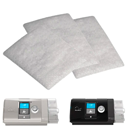
1. Upgrade to Hypoallergenic Filters
Standard filters catch large dust particles, but hypoallergenic filters are designed to trap much smaller irritants like pollen, mold spores, and pet dander. During peak allergy season, consider changing these filters more frequently—every 2 weeks instead of the usual monthly schedule—to ensure you aren't breathing in trapped allergens.
2. Increase Humidification Settings
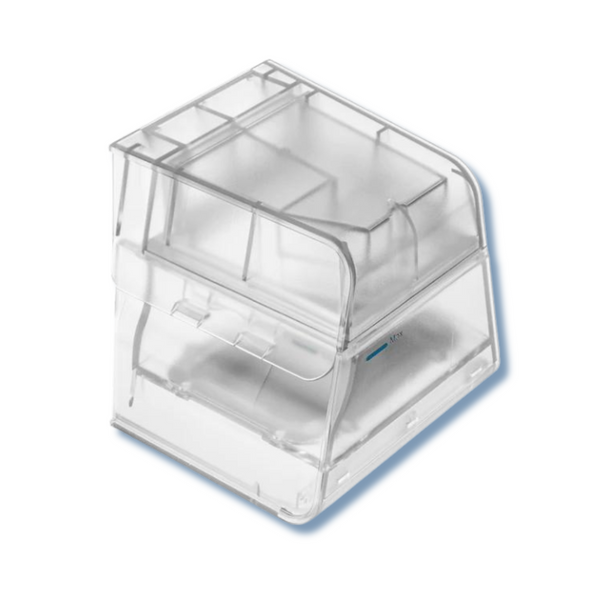
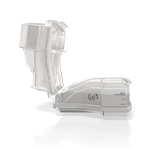
Allergies cause inflammation in the nasal passages. Using a heated humidifier adds moisture to the air, which soothes irritated tissues and helps thin out mucus. If you wake up with a "stuffy" feeling, turning up your humidity level can prevent your nose from working overtime to moisturize the dry, pressurized air.
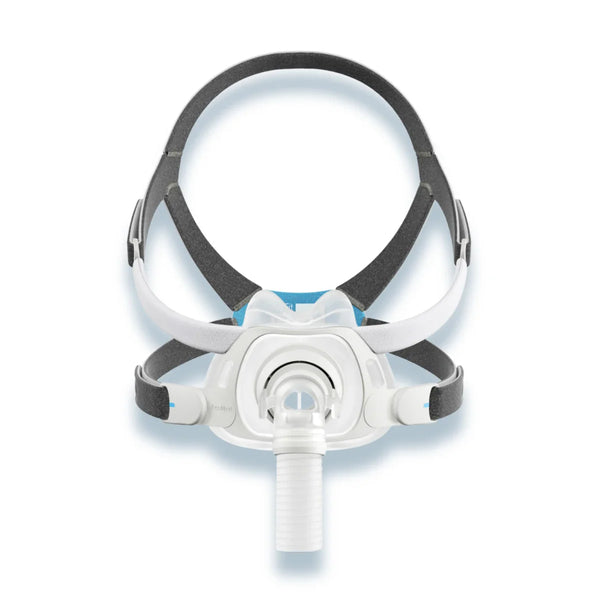
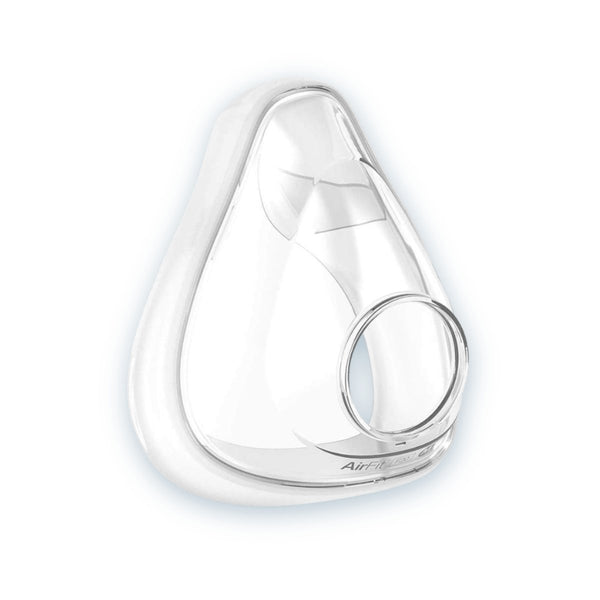
3. Switch to a Full-Face Mask (Temporarily)
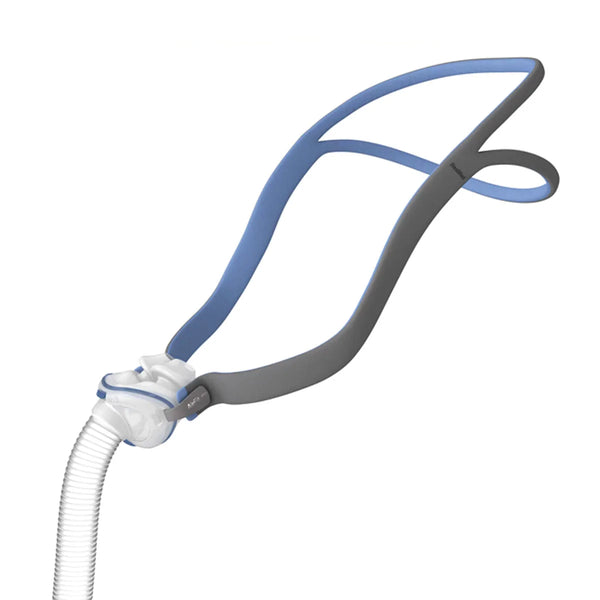
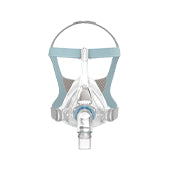
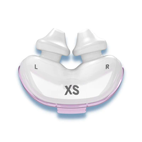
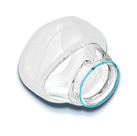
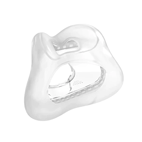
If you typically use a nasal mask or nasal pillows, seasonal congestion might force you to breathe through your mouth. This leads to "mouth leak" and ineffective therapy. Having a full-face mask as a backup allows you to continue receiving therapy even when your nose is completely blocked.
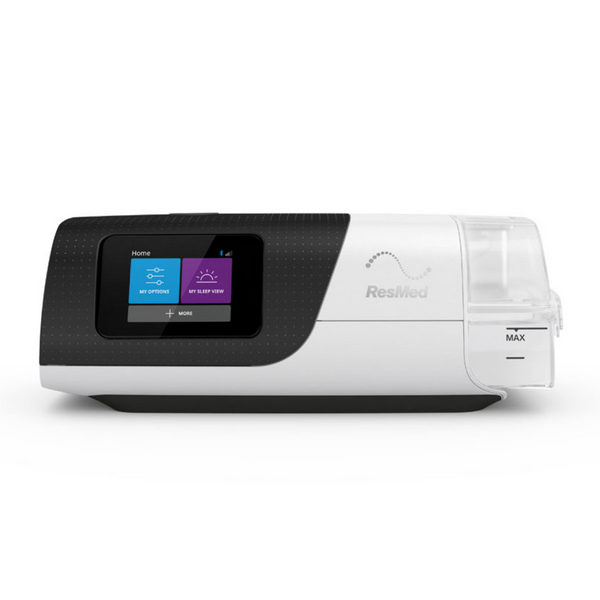
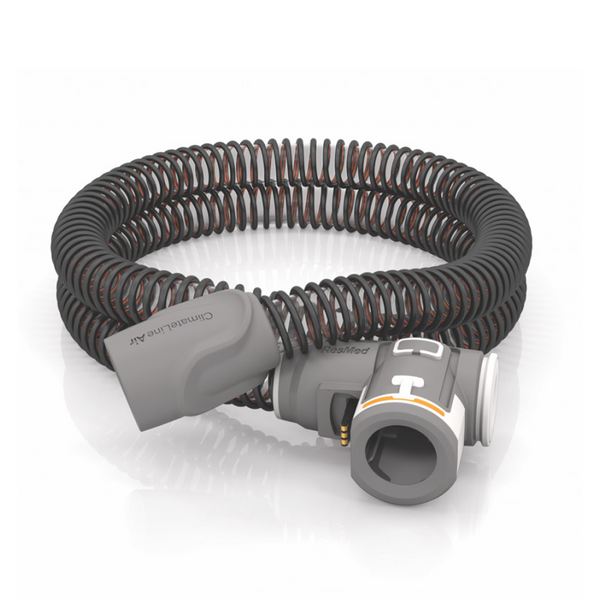
4. Use Heated Tubing
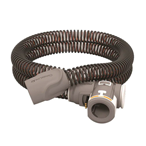
When you increase your humidity to combat allergies, you run the risk of "rainout" (condensation building up in the tube). A heated hose maintains a consistent temperature throughout the tube, preventing water from splashing your face while allowing you to keep humidity levels high for nasal relief.
5. Deep Clean Your Equipment Daily
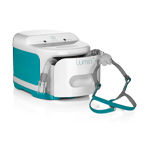
Allergens are sticky. Pollen can cling to your mask cushion and the inside of your hose. During allergy season, move from a weekly deep clean to a daily rinse of your mask and hose with mild, scent-free soap to ensure you aren't re-introducing allergens directly into your airway every night.
6. Use Nasal Saline Rinses Before Bed
Using a Neti pot or saline spray 15–30 minutes before putting on your CPAP mask can clear out existing pollen and mucus. This "pre-clearing" makes it much easier to tolerate the initial pressure of the machine and reduces the urge to rip the mask off during the night.
7. Monitor Your "Ramp" Settings
If congestion makes you feel like you aren't getting enough air, consider adjusting or turning off the "Ramp" feature. While Ramp is meant to help you adjust to the pressure, starting at a very low pressure when you are already congested can create a sensation of air hunger.
8. Optimize Your Bedroom Environment
Your CPAP pulls air from the room it’s in. To improve your therapy success:
-
Keep windows closed at night to prevent pollen from entering.
-
Use an air purifier with a HEPA filter near the CPAP's air intake.
-
Shower before bed to wash pollen off your hair and skin so it doesn't transfer to your mask and bedding.
9. Consult Your Doctor About Medications
Over-the-counter antihistamines or nasal steroid sprays (like Flonase) can significantly improve CPAP adherence. However, some antihistamines can be drying. Consult your sleep specialist at a clinic like Heartstrong Sleep to find the right balance that keeps your airways open without drying them out excessively.
10. Don’t Abandon Therapy
The most common mistake is stopping CPAP use when congested. This can lead to a "cycle of exhaustion" where allergy inflammation and sleep apnea both worsen. If you’re struggling, reach out to us for a pressure adjustment or a mask fitting—often, a small clinical tweak is all that's needed to get through the season.
We are always here to help! Call or Text : 832-770-3200