
![[subscription]](http://heartstrongsleep.com/cdn/shop/files/Group_30_6a2ee5b7-7d1a-49f1-855d-428a7cb5358f.png?v=1733846466&width=600)

CPAP vs Oral Appliance for Treating Mild Sleep Apnea
Getting diagnosed with mild sleep apnea—defined clinically as having an Apnea-Hypopnea Index (AHI) between 5 and 15 breathing disruptions per hour—is often a double-edged sword. On one hand, you finally have an explanation for your daytime fatigue and brain fog. On the other, you are suddenly faced with a crucial decision: How should you treat it?
The two primary contenders for managing mild obstructive sleep apnea (OSA) are Continuous Positive Airway Pressure (CPAP) therapy and Oral Appliance Therapy (OAT). While CPAP has long been considered the clinical gold standard, custom oral appliances have surged in popularity for mild-to-moderate cases.
To help you choose the best fit for your health and lifestyle, this article provides an objective, head-to-head breakdown of how these two treatments differ across clinical effectiveness, everyday comfort, cost, and long-term compliance.
The core objective of any sleep apnea treatment is simple: keep your airway unobstructed throughout the night and bring your AHI down into a healthy range (ideally under 5 episodes per hour).
CPAP: The Pneumatic Splint
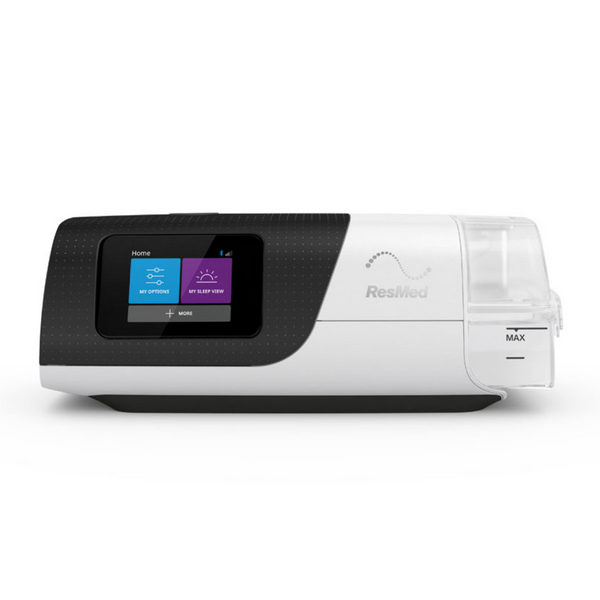
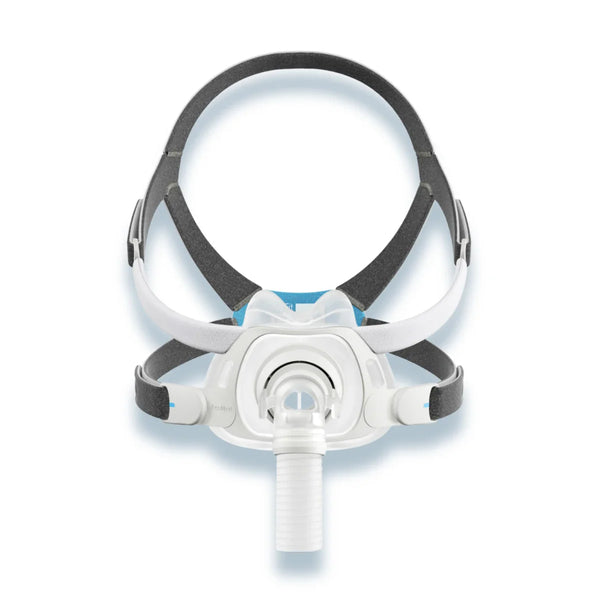
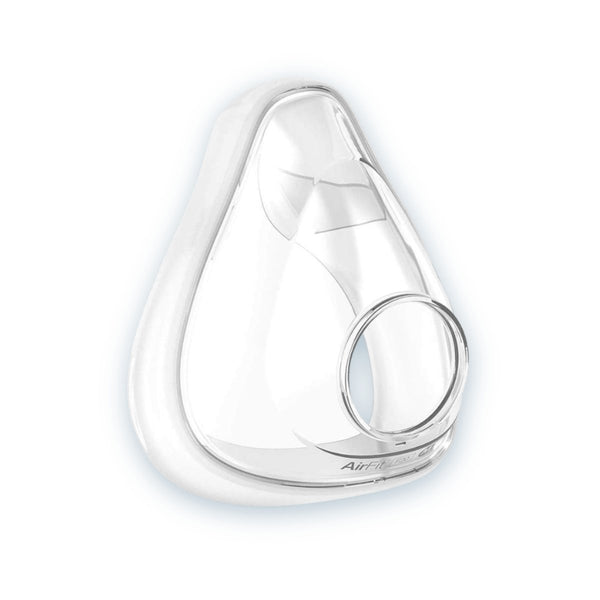
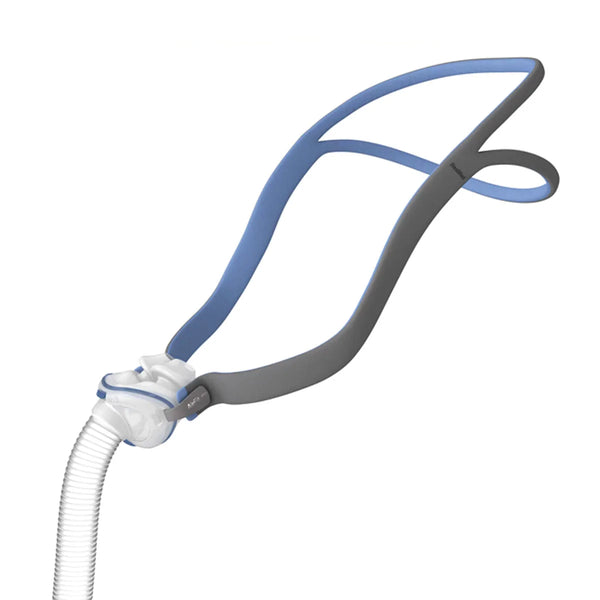
CPAP works by generating a continuous stream of pressurized room air delivered through a lightweight mask. This constant pressure acts like an invisible pneumatic splint, physically forcing your upper airway to remain open. Because it relies on direct air pressure, it is virtually flawless in its mechanical capability. Clinical data shows that a properly calibrated CPAP machine can reduce baseline AHI by 75% to over 90%, consistently bringing even the most severe cases down to normal levels.
Oral Appliances: Mandibular Advancement
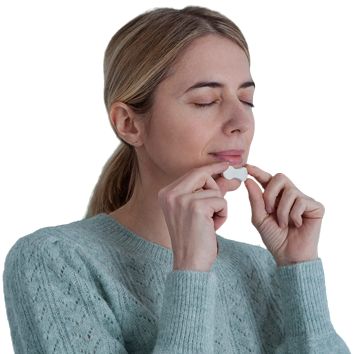
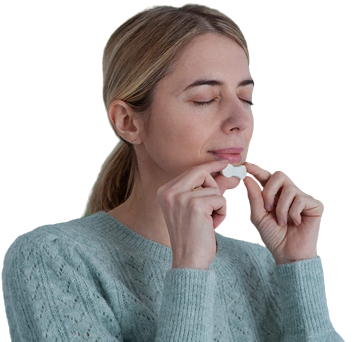
Custom oral appliances—specifically Mandibular Advancement Devices (MADs)—resemble a premium sports mouthguard or orthodontic retainer. They work mechanically rather than pneumatically, gently shifting your lower jaw and tongue forward to create more physical space at the back of your throat. Clinical studies indicate that custom oral appliances reduce baseline AHI by an average of 42% to 50%.
The Mild Apnea Edge: While a 50% reduction might fall short for someone struggling with severe sleep apnea, it is often perfectly adequate for mild cases. For example, if your baseline AHI is 12, an oral appliance can comfortably lower your score below 5. For mild OSA sufferers, both treatments are often functionally equal in achieving clinical success.
Figure 1: The Trade-off Chart. While CPAP yields higher laboratory clinical effectiveness, Oral Appliances win on real-world long-term patient compliance.
How a device feels on your face—and how easily it fits into your suitcase—plays a monumental role in your quality of life.
- CPAP Therapy: Modern CPAP machines are extraordinarily quiet and feature integrated heated humidifiers to prevent dry mouth and nasal passages. However, you are still physically tethered to a bedside machine via a flexible hose and must wear a mask nightly. Sufferers of claustrophobia or active "side-sleepers" often experience a steep adjustment curve.
- Oral Appliance Therapy: Oral appliances excel in discretion, simplicity, and complete silence. There are no cords, no filters to wash, and no soft motor hums, which partners heavily appreciate. They fit cleanly into a pocket-sized travel container. The primary trade-off is localized physical sensation: you are sleeping with a device that exerts structural pressure on your jaw, which frequently triggers temporary morning jaw stiffness or excess salivation during the initial adaptation period.
A medical device can only protect your cardiovascular system if it is actually worn consistently through all stages of sleep. When we evaluate "real-world" effectiveness, the comparison undergoes an interesting shift.
CPAP has a notoriously steep abandonment rate. Historical data demonstrates that long-term CPAP adherence hovers around 50% to 60%. Many patients remove their masks subconsciously halfway through the night due to physical irritation, leaving them entirely unprotected during critical early-morning REM cycles.
Conversely, because they are less intrusive and require no power source, custom oral appliances boast significantly higher real-world compliance, with long-term adherence rates sitting between 85% and 90%. Sufferers are far more likely to wear an oral appliance for the entire duration of the night, leading to consistent, uninterrupted therapy.
Every clinical intervention carries side effects, but the nature of the risks between these two therapies is fundamentally distinct.
CPAP Side Effects: Superficial & Reversible
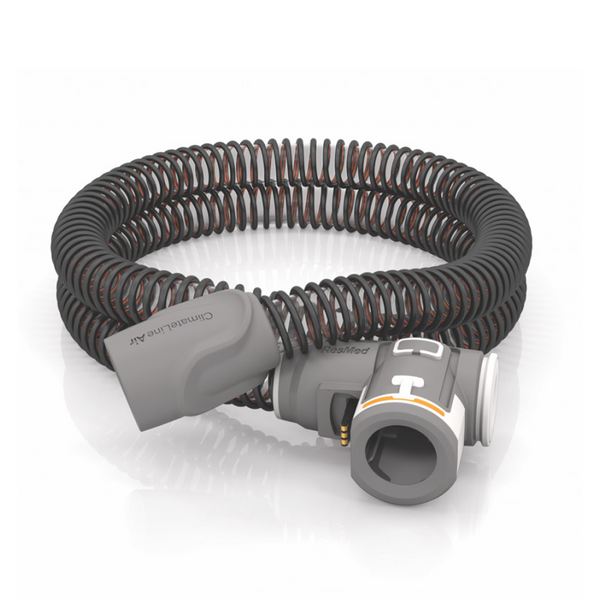
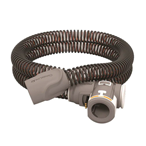
CPAP side effects are primarily superficial and stop immediately if usage is paused. Common issues include minor skin irritation from mask cushions, nasal congestion, or a dry throat. These can almost always be mitigated by fine-tuning the machine's humidity settings, introducing a heated tube, or changing mask styles (e.g., switching from a full-face mask to low-profile nasal pillows).
Oral Appliance Side Effects: Anatomical & Structural
Because an oral appliance leverages your teeth as leverage points to hold your lower jaw forward, it applies persistent mechanical pressure to your skeletal structure. Long-term studies reveal that up to 81% of custom oral appliance users develop measurable dental shifts after 5 years. These can include a gradual reduction in your natural overbite, subtle movement of individual teeth, or mild temporomandibular joint (TMJ) discomfort. Managing these changes requires ongoing, routine oversight by a qualified dental sleep specialist.
When calculating costs, it is important to weigh the initial investment against the price of keeping the therapy operational over a five-year horizon.
CPAP Care: CPAP typically features a lower upfront cost but carries recurring operational fees. A premium, modern machine costs between $800 and $1,200. However, the masks, silicone cushions, tubing, and air filters must be replaced every 3 to 6 months to maintain hygiene and machine performance. Over five years, these recurring supply costs accumulate, making CPAP the more expensive long-term option.
Oral Appliances: Oral appliances require a steep upfront investment. A custom-molded device designed and fitted by a specialized dental professional typically costs between $1,500 and $4,000, and medical insurance coverage can vary significantly. However, once paid for, a high-quality, medical-grade oral appliance generally lasts 3 to 5 years with zero ongoing component replacement or maintenance fees.
| Comparison Factor | CPAP Therapy | Oral Appliance Therapy (OAT) |
|---|---|---|
| Mechanism of Action | Pressurized room air splints the upper airway open. | Mechanically shifts the lower jaw and tongue forward. |
| Clinical AHI Reduction | Highly Effective (75% – 90%+) | Moderately Effective (42% – 50%) |
| Long-Term Compliance | Lower (Approx. 50% – 60%) | Higher (Approx. 85% – 90%) |
| Primary Side Effects | Nasal dryness, skin irritation, mask leaks. | Bite shifts, minor tooth movement, TMJ fatigue. |
| Portability & Noise | Requires power outlet; whisper-quiet motor. | Pocket-sized case; 100% completely silent. |
| 5-Year Cost Structure | Lower initial cost; predictable recurring supply expenses. | High initial cost; virtually zero ongoing maintenance fees. |
For mild sleep apnea, there is no universally "perfect" treatment—only the treatment that aligns best with your body and lifestyle. If you travel frequently off the grid, prioritize absolute silence for your bed partner, and possess optimal dental health, a custom oral appliance may be your ideal companion. If you want maximum airway protection without any risk of structural tooth movement, CPAP remains an unparalleled option.
Take Control of Your Sleep Health
Navigating these choices on your own can feel overwhelming. If you are uncertain which direction matches your unique airway anatomy and lifestyle, Heartstrong Sleep is here to simplify the process.
You can begin today by taking their free sleep assessment to map your symptoms and discover the ideal clinical path forward. Best of all, if a CPAP setup proves to be the safest and most optimal choice for your health, Heartstrong Sleep provides comprehensive setup support, continuous tracking, and mask-fitting guidance to ensure you achieve total comfort from night one.
Take the Free Sleep Assessment