

![[subscription]](http://heartstrongsleep.com/cdn/shop/files/Group_30_6a2ee5b7-7d1a-49f1-855d-428a7cb5358f.png?v=1733846466&width=600)

PAP Therapy: Device Options
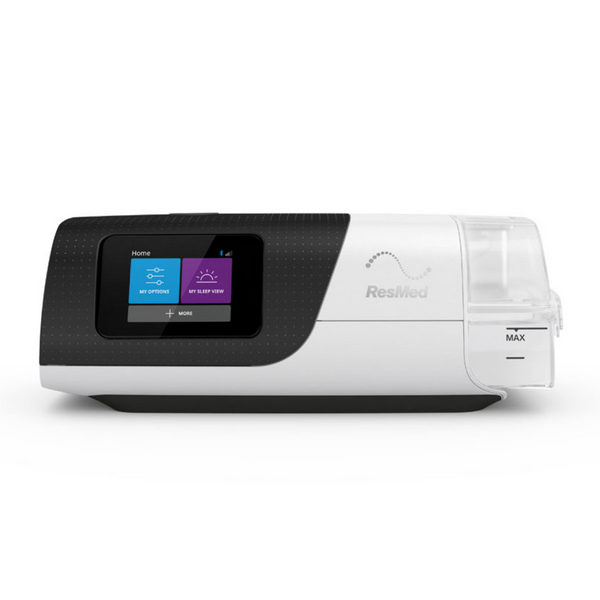
If you’ve been diagnosed with sleep apnea, you’ve likely been told that “CPAP” is the gold standard for treatment. But did you know that CPAP is actually just one type of Positive Airway Pressure (PAP) device?
While people often use "CPAP" as a catch-all term, there are several different machines designed to treat sleep-disordered breathing. Understanding the differences can help you and your sleep specialist find the perfect fit for your unique needs.
Let’s break down the main types of PAP devices, from the most basic to the most advanced.
1. CPAP (Continuous Positive Airway Pressure)
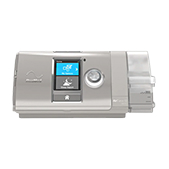
The CPAP is the original sleep apnea workhorse. As the name suggests, it delivers a single, continuous stream of pressurized air throughout the night. Your clinician sets a specific fixed pressure (usually between 4 and 20 cm H2O) designed to keep your airway open.
Who it’s for: CPAP works incredibly well for many people with uncomplicated obstructive sleep apnea (OSA).
Comfort features: Many modern CPAP machines offer expiratory pressure relief (sometimes called EPR or C-Flex). This feature slightly lowers the air pressure when you exhale, making breathing out feel more natural.
2. APAP (Auto-Adjusting Positive Airway Pressure)
Instead of a single fixed pressure, an APAP machine operates within a pressure range set by your doctor. The device continuously monitors your breathing. If it detects a problem—like snoring, reduced airflow, or an apnea—it automatically increases the pressure to clear the airway. Once your breathing stabilizes, it lowers the pressure back down.
Who it’s for: APAP is excellent for people whose pressure needs fluctuate during the night due to changes in sleep stage, sleeping on their back, weight changes, or alcohol consumption. It is also frequently used during the initial stages of treatment to help determine a patient's ideal pressure.
Good to know: Doctors often narrow the pressure range rather than leaving it wide open to prevent the pressure from spiking unnecessarily, which can cause discomfort or wake you up.
3. Bi-Level (Bilevel PAP)
Sometimes referred to by the brand name BiPAP, Bi-level devices deliver two distinct pressures: a higher pressure when you inhale and a lower pressure when you exhale. Unlike the minor pressure relief found in CPAPs, the gap between inhalation and exhalation pressure on a Bi-level machine is much more significant and is specifically prescribed by a clinician. These machines can also reach higher maximum pressures than standard CPAP or APAP devices.
Who it’s for: Bi-level therapy is typically prescribed for patients who require very high pressures (usually above 15 cm H2O) or those who cannot tolerate CPAP. It is also crucial for people with more complex conditions affecting their breathing, such as obesity hypoventilation syndrome, COPD, or certain neuromuscular disorders.
4. ASV (Adaptive Servo-Ventilation)
The most specialized machine on this list, the ASV device continuously adjusts pressure support on a breath-by-breath basis. Its goal is to stabilize highly irregular breathing patterns.
Who it’s for: ASV is generally reserved for patients with central sleep apnea, Cheyne-Stokes respiration, or complex sleep apnea (treatment-emergent central sleep apnea) that hasn't resolved with standard CPAP therapy.
Struggling with Your Machine? Don't Give Up!
It’s common to hear people say they are "fighting the mask" or waking up to find they've taken it off in their sleep. Before you assume you need a more advanced (and expensive) machine, know that the device type is rarely the main culprit.
Often, the problem is much simpler:
-
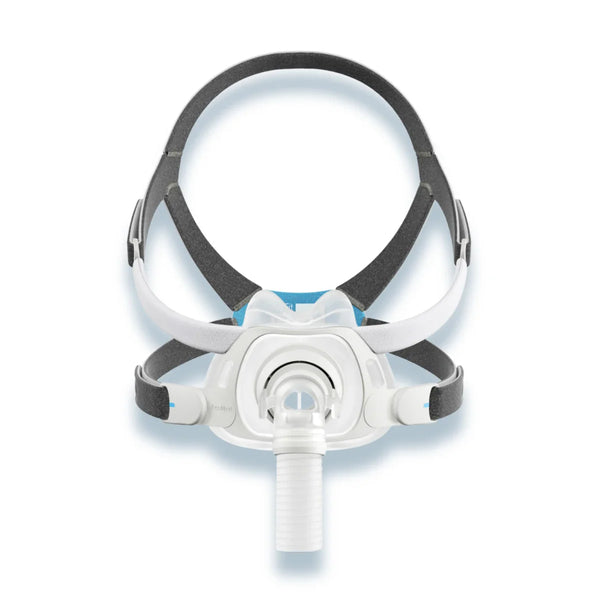
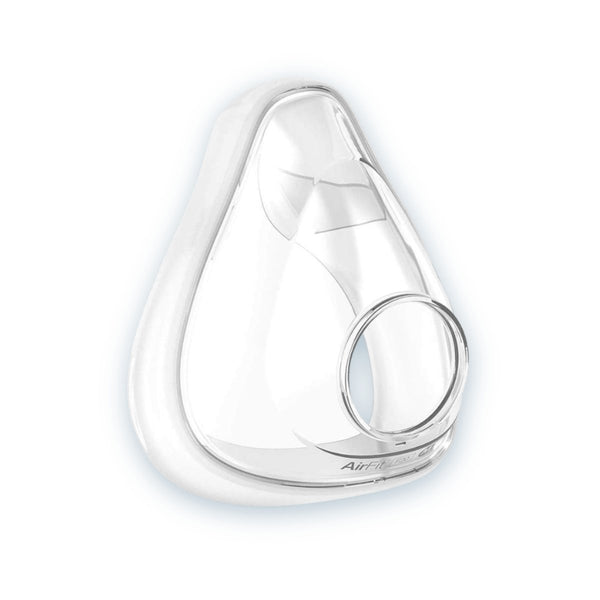
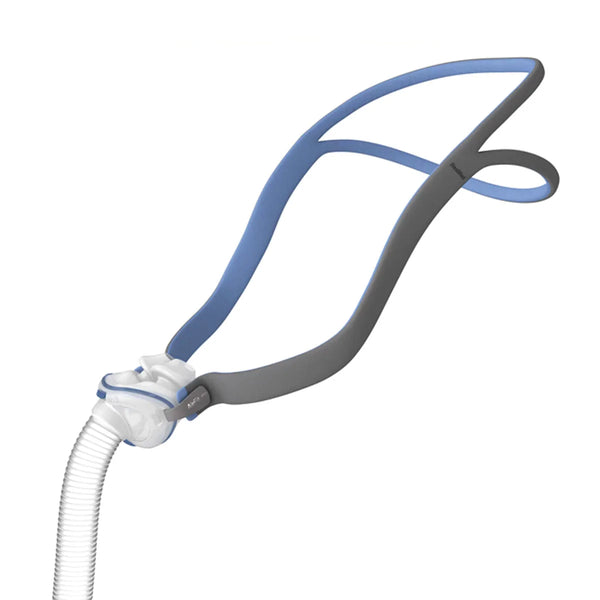
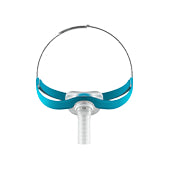
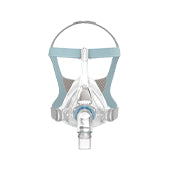
Poor mask fit or leaks: You might just need a different style of mask. (Free Mask-Fit)
-
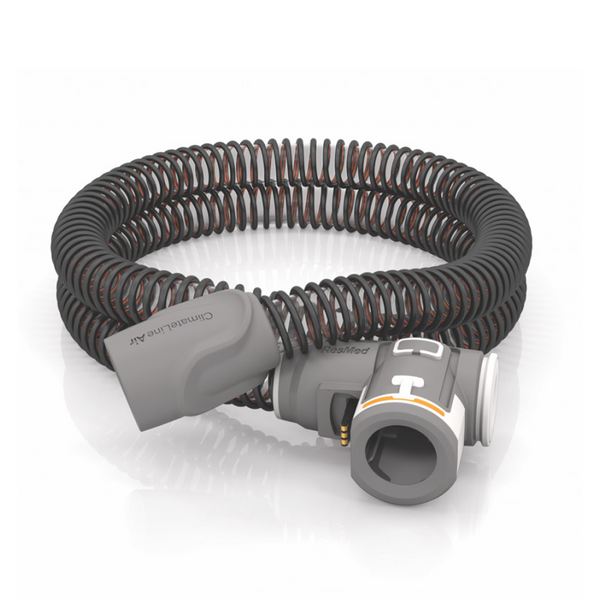
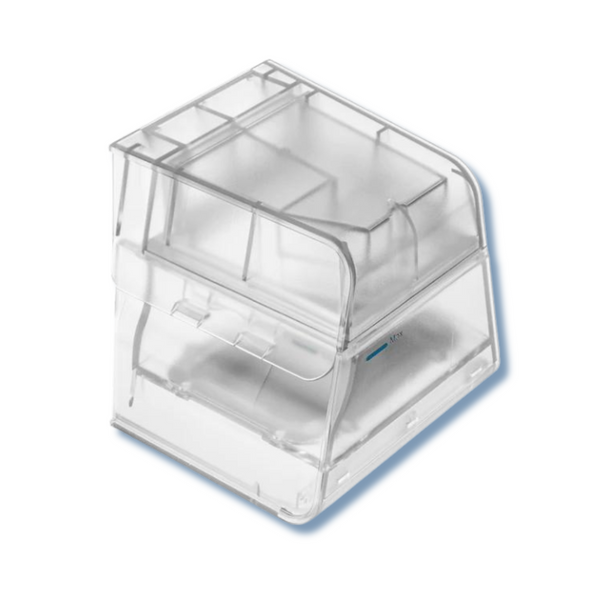
Dryness: Utilizing your machine's heated humidifier can make a world of difference.
-
Pressure discomfort: Using the "ramp" feature (which starts the pressure low and gradually increases it as you fall asleep) can help you adjust.
Important: Never change your pressure settings or switch devices without consulting your sleep clinician. They can review the data recorded by your machine to pinpoint exactly what's going wrong and adjust your therapy safely.
PAP devices and their specific settings require a prescription. If you're looking to get a device covered by insurance, keep in mind that coverage often hinges on documented compliance. For instance, Medicare typically requires you to use the machine for at least 4 hours a night on 70% of the nights during a specific 30-day window. Upgrading to a Bi-level device usually requires proof that standard CPAP therapy was tried and failed.
At Heartsrong Sleep, we are committed to helping you navigate your sleep apnea journey. If you have questions about your current therapy or think a different device might be right for you, consult with your sleep specialist.